Transform Images into Accurate 3D Models with DUSt3R
Discover how DUSt3R simplifies 3D scene reconstruction using cutting-edge artificial intelligence. Generate high-quality spatial data from images with greater accuracy, speed, and flexibility.
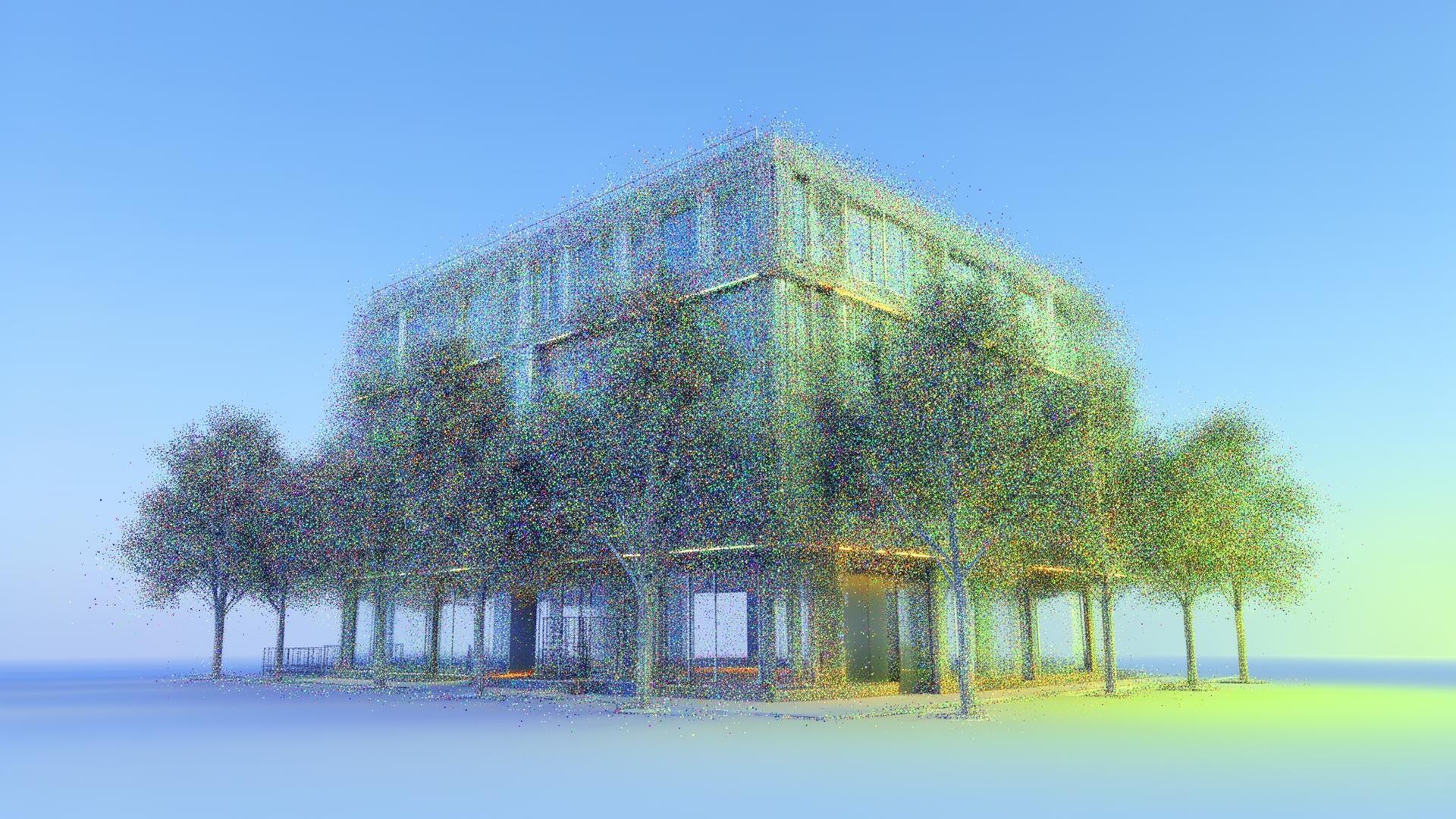
What is DUSt3R?
DUSt3R is an innovative computer vision framework that reconstructs detailed 3D environments directly from image pairs. Unlike traditional methods that rely on complex camera calibration, feature matching, and multi-step processing pipelines, DUSt3R predicts dense point maps and geometric correspondences in a more streamlined manner. This enables accurate estimation of scene structure, object positions, and spatial relationships from ordinary images. Its ability to generate reliable 3D representations makes it valuable for robotics, autonomous navigation, augmented reality (AR), virtual reality (VR), digital mapping, and photogrammetry. DUSt3R improves efficiency, robustness, and accuracy in modern 3D scene understanding tasks.
- AI-driven 3D reconstruction
- Dense point cloud generation
- Multi-view scene understanding
- Accurate geometric predictions
- Research and development friendly
Key Features of DUSt3R
DUSt3R is an AI-powered 3D reconstruction framework that converts images into detailed 3D scenes, enabling accurate geometry estimation and efficient scene understanding for computer vision applications.
AI-Based 3D Reconstruction
Transform ordinary images into detailed 3D models using advanced AI technology. DUSt3R simplifies complex reconstruction tasks while maintaining impressive visual accuracy.
Multi-View Scene Understanding
DUSt3R analyzes images captured from different angles to better understand object relationships, spatial layouts, and scene geometry for more reliable results.
Dense Point Cloud Generation
Generate comprehensive point clouds that accurately represent surfaces, structures, and environmental details, providing a strong foundation for 3D reconstruction projects.
High Reconstruction Accuracy
Advanced depth estimation and geometric reasoning help DUSt3R create realistic 3D scenes with improved consistency, precision, and structural integrity.
Research-Oriented Design
Developed with researchers and computer vision professionals in mind, DUSt3R supports experimentation, innovation, and exploration of advanced 3D understanding techniques.
Efficient Processing Pipeline
Optimize reconstruction workflows through an efficient processing system that reduces manual effort, accelerates project completion, and enhances productivity.
Why Choose DUSt3R?
Designed with advanced computer vision technology, DUSt3R simplifies complex reconstruction tasks while delivering impressive accuracy and consistency across diverse environments.
Fast AI-Powered Reconstruction
DUSt3R utilizes advanced artificial intelligence to rapidly convert image data into detailed 3D representations, reducing processing time while maintaining reliable results.
High-Quality 3D Scene Generation
Create realistic and richly detailed 3D scenes from images with accurate geometry, depth estimation, and enhanced visual consistency.
Simplified Processing Workflow
Streamline complex reconstruction tasks through an intuitive workflow that minimizes manual intervention and improves overall efficiency.
Improved Accuracy and Reliability
Advanced machine learning models help generate more precise spatial information, delivering dependable reconstructions across a wide range of scenarios.
Research and Development Friendly
Designed for researchers, developers, and computer vision enthusiasts, DUSt3R provides a flexible platform for experimentation and innovation.
Modern Computer Vision Technology
Built on cutting-edge computer vision techniques, DUSt3R enables advanced scene understanding, image analysis, and high-performance 3D reconstruction.
How DUSt3R Works
DUSt3R simplifies 3D reconstruction by transforming ordinary images into detailed and accurate three-dimensional scene representations through advanced AI-powered analysis.
Image Input
Begin by providing one or more images of the object, environment, or scene you want to reconstruct. DUSt3R analyzes the visual information contained within each image to understand shapes, textures, and spatial relationships.
Scene Understanding
Using advanced machine learning models, DUSt3R interprets the content of the images and identifies important visual features. This process helps the system understand how different elements within the scene relate to one another.
Depth Estimation
The AI model predicts depth information directly from the input images, allowing DUSt3R to determine the distance and position of objects within the scene. This step is essential for creating accurate three-dimensional representations.
Multi-View Alignment
When multiple images are provided, DUSt3R compares information from different viewpoints to build a consistent understanding of the environment. This improves reconstruction quality and ensures greater spatial accuracy.
3D Scene Generation
After processing the visual and depth information, DUSt3R generates a detailed 3D representation of the scene. The system combines geometric data and spatial relationships to create realistic three-dimensional structures.
Output & Visualization
The reconstructed scene can then be visualized, analyzed, or integrated into various applications, including computer vision research, robotics, augmented reality, virtual reality, and spatial AI projects.
DUSt3R vs Competitors
| Feature | DUSt3R | COLMAP | MVSNet |
|---|---|---|---|
| Camera Pose Requirement | Not Required | Required | Required |
| 3D Reconstruction Speed | Fast | Slow | Medium |
| Scene Density | Very Dense | Sparse | Dense |
| AI Powered | Yes | No | Yes |
| Single Image Support | Yes | Limited | No |
| Ease of Use | Easy | Complex | Moderate |
Benefits of Using DUSt3R
Discover how DUSt3R improves productivity, accuracy, and efficiency in modern 3D reconstruction workflows.
Faster Scene Reconstruction
DUSt3R accelerates the 3D reconstruction process by efficiently transforming image data into detailed scene representations, helping users complete projects in less time.
Reduced Workflow Complexity
Simplify advanced reconstruction tasks with an optimized workflow that minimizes manual adjustments and makes 3D scene creation more accessible.
Improved Spatial Understanding
Advanced AI models analyze visual relationships and depth information to deliver a more accurate understanding of scene structure and geometry.
Enhanced Research Capabilities
DUSt3R provides powerful tools for experimentation, enabling researchers and developers to explore innovative ideas in computer vision and 3D modeling.
Reliable AI-Powered Results
Leverage sophisticated machine learning algorithms to generate consistent, dependable, and high-quality reconstruction outputs across various use cases.
Flexible Integration Possibilities
Designed to support diverse workflows, DUSt3R can be incorporated into research projects, development environments, and advanced computer vision applications.
DUSt3R User Reviews
Frequently Asked Questions
What is DUSt3R?
DUSt3R is an advanced AI-powered 3D reconstruction framework that transforms images into detailed three-dimensional scene representations with remarkable accuracy.
Who can benefit from DUSt3R?
Researchers, developers, computer vision engineers, students, and 3D graphics professionals can all benefit from DUSt3R’s powerful reconstruction capabilities.
What makes DUSt3R different from traditional reconstruction tools?
DUSt3R simplifies complex reconstruction workflows by leveraging modern machine learning techniques, reducing the need for extensive manual processing.
Can DUSt3R work with multiple images?
Yes, DUSt3R can analyze multiple viewpoints to better understand scene geometry and generate more accurate 3D reconstructions.
Why is DUSt3R gaining popularity?
Its combination of accuracy, efficiency, and cutting-edge AI technology makes it a valuable solution for modern computer vision applications.
Does DUSt3R support AI-based reconstruction?
Yes, DUSt3R uses advanced deep learning models to generate detailed 3D structures directly from image inputs.
How does DUSt3R improve scene understanding?
The framework analyzes visual information from different perspectives to build a comprehensive understanding of spatial relationships.
Can DUSt3R generate dense point clouds?
Absolutely. DUSt3R creates rich point cloud data that helps represent scene geometry with high levels of detail.
Is DUSt3R designed for research applications?
Yes, it was developed with a strong focus on research, experimentation, and innovation within computer vision.
Does DUSt3R provide accurate results?
Its advanced algorithms are specifically designed to improve reconstruction quality, depth estimation, and scene consistency.
How does DUSt3R save time?
Automated reconstruction processes reduce manual work and accelerate project completion for researchers and developers.
Can DUSt3R improve project efficiency?
Yes, its streamlined workflow helps users focus on analysis and development rather than complex reconstruction procedures.
Why is AI important in DUSt3R?
Artificial intelligence enables more reliable depth estimation, scene interpretation, and geometric reconstruction from images.
Does DUSt3R support advanced computer vision tasks?
Yes, it can be used in various applications, including 3D modeling, robotics, scene analysis, and spatial understanding.
Is DUSt3R suitable for large-scale projects?
Its scalable architecture and efficient processing pipeline make it suitable for both small experiments and extensive research projects.
How do I begin using DUSt3R?
Start by collecting images of the target scene and preparing them for the reconstruction process.
What kind of input does DUSt3R require?
The framework primarily works with image inputs captured from one or multiple viewpoints.
How are 3D models generated?
DUSt3R analyzes image data, estimates depth information, and reconstructs the scene into a detailed 3D representation.
Can I use DUSt3R for experimentation and learning?
Yes, it is an excellent platform for exploring modern computer vision, machine learning, and 3D reconstruction techniques.
What can I do with the generated results?
The reconstructed scenes can be used for visualization, academic research, robotics, simulation, mapping, and other advanced applications.